B: How is the mentoring relationship working for you?
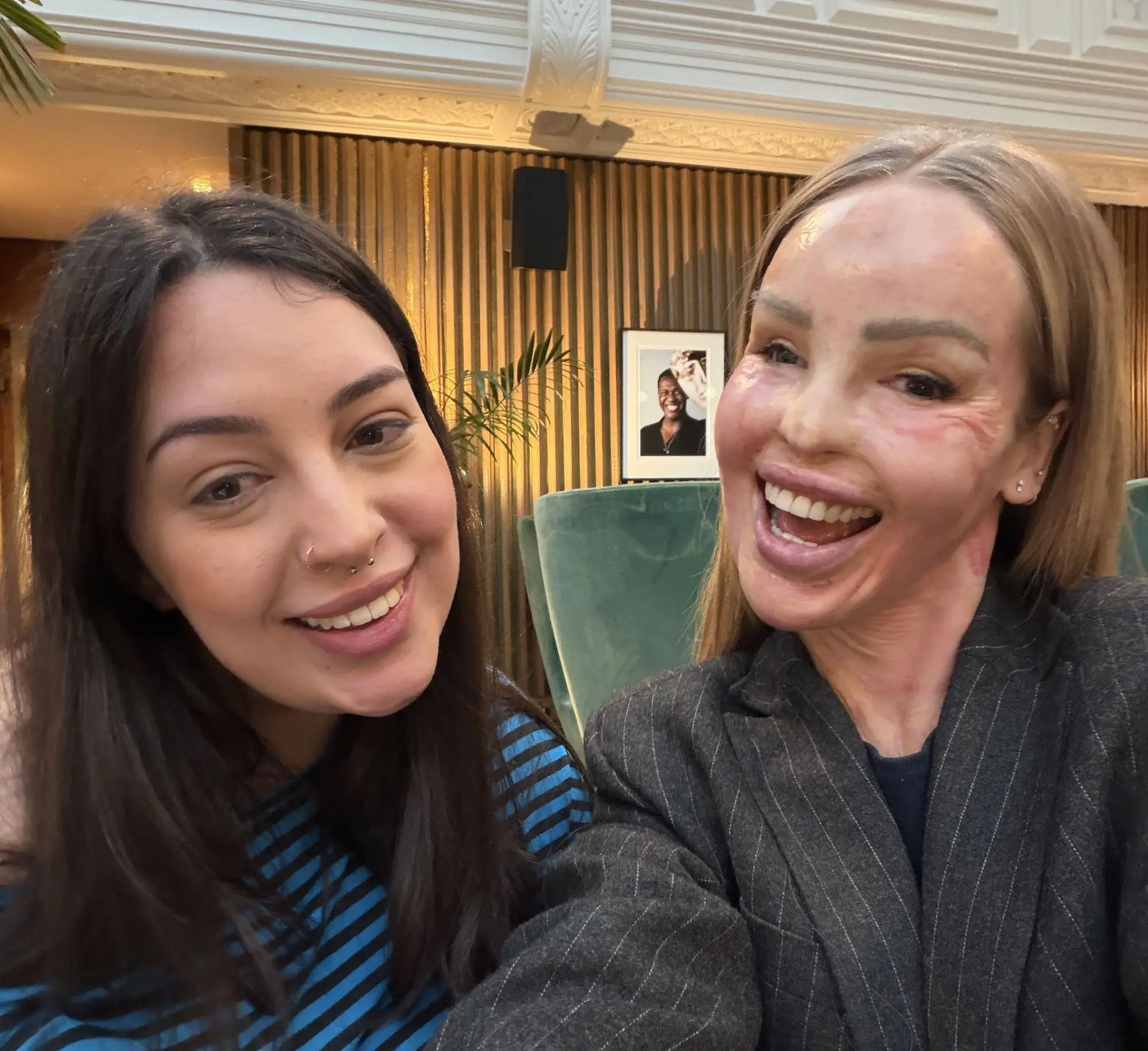
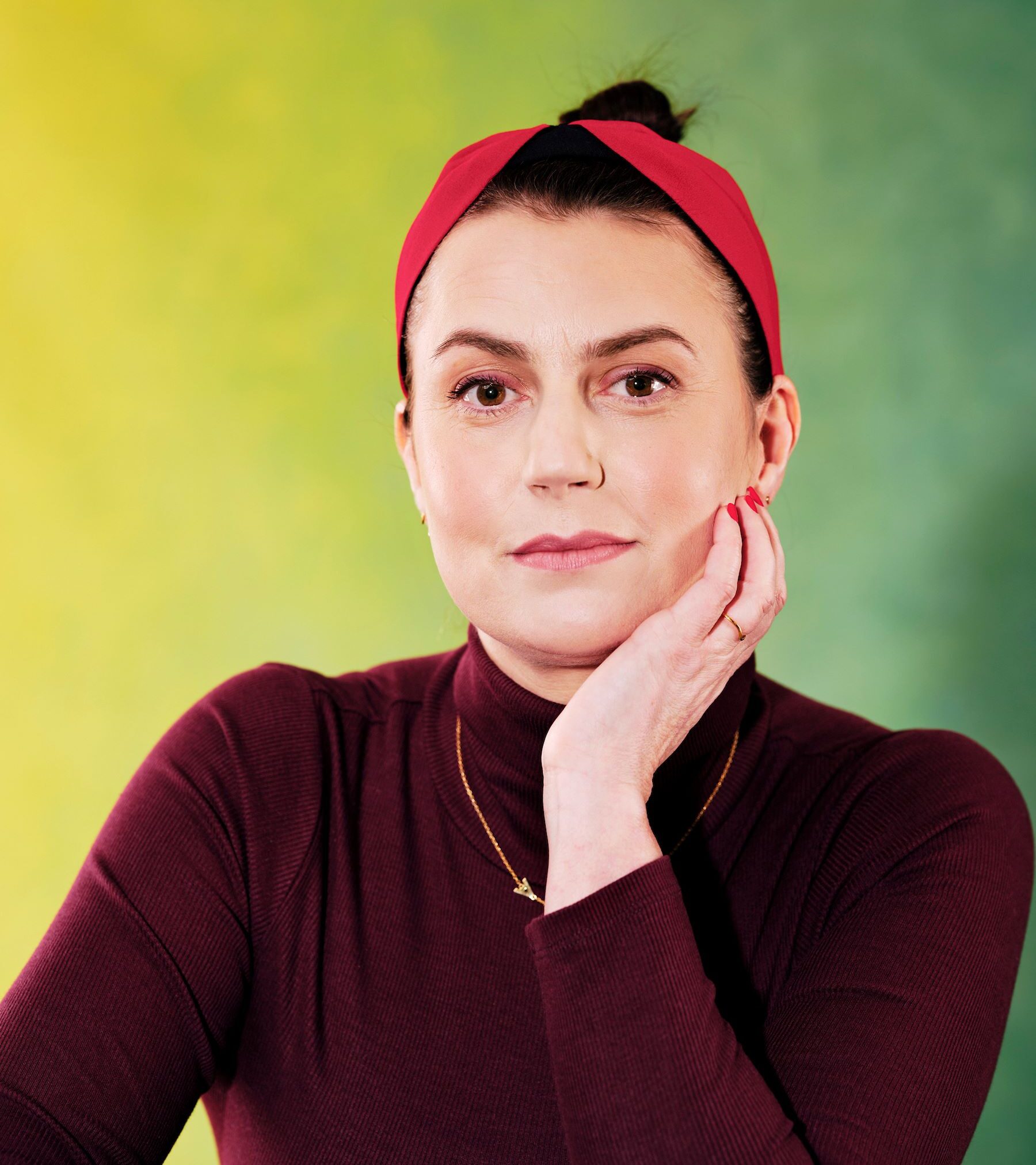
KP: When we got paired together, I was really excited to meet Roisin. I looked her up online and my first thought was, wow, why does she need a mentor? She’s done so much already.
From our first meeting I felt like I’d known Roisin for ages and I thought, oh, we’ve got this real shared ambition of storytelling, but also a shared passion of advocacy and an understanding of what it’s like to be the only person in the room doing something where people doubt you. They might not believe in you, and how even though you’re able and capable, it can affect your confidence, but it doesn’t stop you being determined to get there in one way or another.
RC: Yeah, we immediately clicked and I felt like I could just be myself fully and I didn’t feel worried about what Katie was going to think because I knew that she had that understanding, which is really important for me.
We meet, I’d say, once a month. We discuss where I am now, where I want to be, structural things I can put in place and what tangible next steps I can take to achieve my goals. For example, we try to think outside the box so that I can get the most out of networking opportunities.
Growing up disabled, you can be made to feel like you don’t deserve to be in certain spaces sometimes because of the idea that you don’t quite fit. Whether it’s physical inaccessibility or ableist misconceptions around disability, when you are repeatedly faced with such obstacles, it can chip at your confidence and sense-of-self and reframing that belief takes ongoing work. So, the mentoring is about empowering me, and giving practical guidance for me to build on my broadcast career.
KP: It definitely helps that we’re both women as well, because I think it’s something that women identify with. And I think when you think of mentoring, you think okay, well, how does it work? You’re the mentor, what do you do? And I actually think it’s a collaborative thing. I’ve definitely learned from Roisin. And I think one of the most valuable things it’s done for me is it’s kind of given me perspective on the challenges that emerging talent and disabled talent still face because we talk about diversity, we talk about inclusion, but where is that performative? Where is that a box tick? Like what’s the actual longevity of that and how does it look for the person? And if it is performative, how does that affect your confidence?
I feel we have very honest, open human conversations. We’ll talk about, confidence, resilience, we’ll talk about our craft, our ambitions. And also navigating systems that aren’t always designed with disabled people in mind, like how do you get to those spaces… but I agree it is emotional support as well. Sometimes the screen industry, in particular, can feel overwhelming especially at the start, it can feel a bit like a brick wall. So, I think you can have strategy in mentoring but I also think it’s about validation and saying you do belong here.