Outstanding Contribution to Cinema: Clare Binns

Posted: 20 Feb 2026

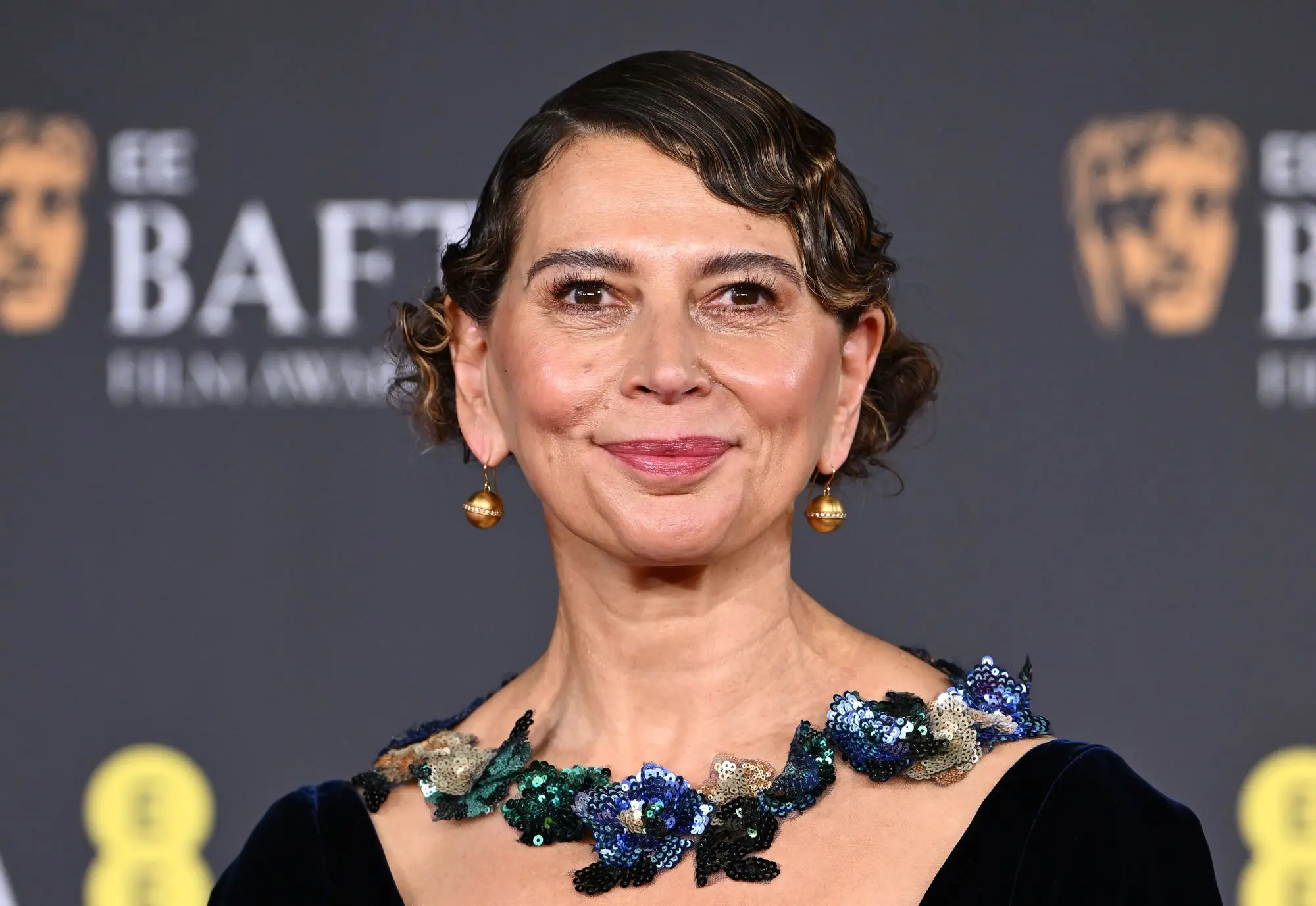
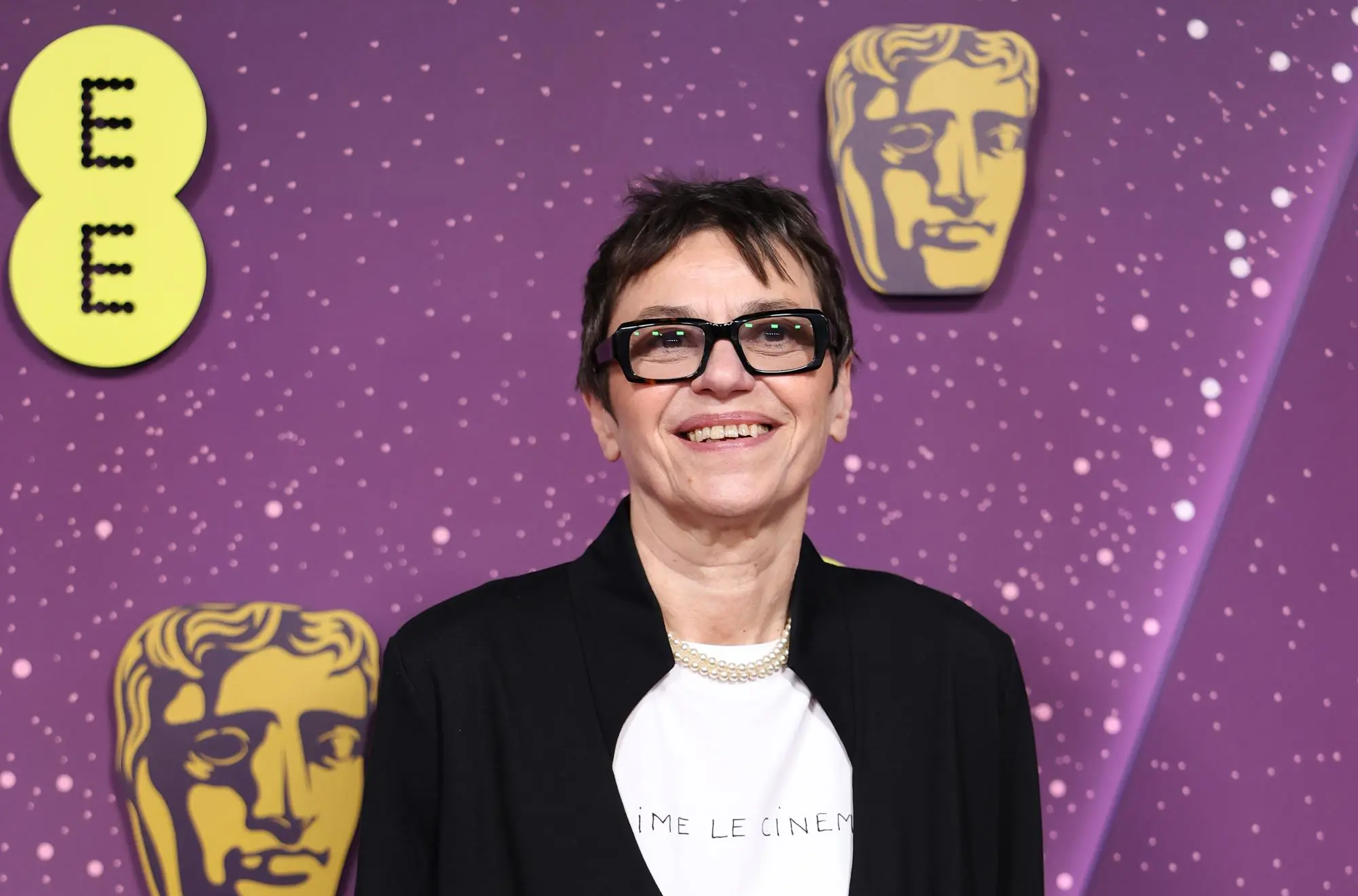
As creative director of Picturehouse Cinemas and Picturehouse Entertainment, Clare Binns has come a long way from her first taste of the silver screen as an usher at the Ritzy cinema in Brixton, South London, in the early 1980s. But in many ways, her role in film has remained much the same: to welcome newcomers into the cinema space and bring films from around the world to the UK. “It’s all basically the same thing,” she says. “It’s always about trying to get something in front of people’s eyeballs that is going to give them a meaningful experience.”

Distribution is rarely considered a glamorous side of the industry, but without trailblazing influential forces in the field, the diversity of viewing experiences suffers. Indeed, forward-thinking, daring acquisition and exhibition have always moved the very apparatus of cinema forward: new faces, new stories and new genres are all part of the spice and life of cinema.

This is what Clare Binns is all about. In fact, if you’ve seen the work of fierce independents like Danny Boyle, Francis Lee, Steve McQueen, Shola Amoo, Charlotte Regan or Alice Winocour over the last four decades, she certainly had a hand in it. From her work operating Zoo Cinemas to her longstanding relationship at Picturehouse which she has held since 2003, Binns’s countless initiatives have brought new audiences into films and put the cinema itself at the heart of many local communities. Like previous recipients from Andy Serkis to June Givanni, this positive impact on the British film industry is why BAFTA is honouring her work with the Outstanding British Contribution to Cinema award. Here she talks Picturehouse, projectionist tricks and proudest moments…

BWhat’s an early special memory of the cinema for you?

CBFrom the age of eight to 17, my local cinema was about 100 yards down the road. This was in Jesmond, Newcastle, where I grew up, and it is sadly no more. Back then the cinema showed films that were slightly older, but had an amazing range of genres, including many from Bollywood, which I think is extraordinary. I used to see West Side Story (1961) over and over and I'd be dancing in the back alley.

Having a cinema so close to me – and where I could sneak into films that I shouldn’t have really been seeing – stamped for me just how important film was. Cinema touched me in a way that was so profound. It gave me such joy.

BDid you ever think of it as a career?

CBWell, I got the job as an usher at the Ritzy to see free films! I mean, clearly I needed to pay my rent. But equally I could see everything there, from mainstream horror, art house, to foreign language, experimental cinema. I can remember at the end of a night shift watching Andrei Tarkovsky’s Stalker (1979) with a few others. Who does that at four in the morning? We did. Once I had become a projectionist, the thrill of turning the light on for Gentlemen Prefer Blondes (1953) was astounding – or, trying to get the 16mm projector to work by sticking a cigarette butt in the gate in order to watch Peter Greenaway’s The Falls (1980)…

BThe cinema creates community, but also its own mode of discovery, right? That feels like something that is increasingly important in the isolated age of our phone screens.

CBIt’s very different watching a film with audiences. When we used to show Carrie (1976), I used to go into the screen just before she shoots her hand up in the air out of the grave at the end – just to watch the audience’s reaction. Film critics are important, but they can’t quite convey that.

At Picturehouse we do a lot of repertory programming, and there are so many young people going to see the kinds of masterpieces now that I take for granted. I think it’s really important to encourage people to discover all of those great films for themselves in a cinema, because it’s the one space where you don’t have the phone ringing, the doorbell is not going to go and you’re not going to make a cup of tea. You can focus and enjoy it in a way that you can never do on the TV.

BCan you tell us how you made the leap into programming?

CBI had been an usher, I had been a projectionist, I had been a manager, and then I thought, “Well, where is the real action?” It’s actually choosing the films – deciding what goes in, what goes out. Getting it right can be hard. It has to be a mixture of experimentation and safety. And just because it’s your favourite film doesn’t mean that people will go and see it.

BThe OBCC is a huge and deserved honour. But who are some figures you believe deserve more recognition and who helped you get here?

CBPat Foster, who opened the Ritzy again, gave me my first job, and was instrumental in bringing a cinema into Brixton. It was a tough place, but a place I think of as my home very much. And I have always admired the late Romaine Hart, who started the Screen on the Green cinema, who was a friend. She always stood up for herself, and she really did so much to bring art house films into the UK.

BWhat are some projects that you later had a hand in acquiring and distributing that made you especially proud?

CBI can mention two straight away. Anatomy of a Fall (2023) – what a movie. When it won the Palme d’Or, I almost wet my pants. I was hysterical! Foreign language, great film, amazing woman director in the form of Justine Triet, Sandra Hüller, who is one of my favourite actresses. More recently Pillion (2025). I remember reading that script and just knowing it was going to be a fantastic film; seeing its success, along with everybody else who took part in it, has been just thrilling.

BIf you’ve faced misconceptions as a woman executive in the film industry, how have you worked through those challenges?

CBFor many years, every room I walked into was men. It just was. I just thought, “This isn’t right. I’m changing it. I’m going to have my way. I’m going to say my piece.” I mean, everybody (probably), if you were to ask them, would say I’m very opinionated. It’s true that I don’t pull any punches. Things are changing now. We have a very female-led company at Picturehouse. But it has been difficult in the past. That’s why Romaine Hart was such a beacon of difference. She was always a great, great person to point towards and say, “well, if she can do it, I can do it”.

And you know, from the age of about 30 to my mid-50s, I just got my head down. I just didn’t think about anything other than looking at the numbers every morning, looking at how we could get better films for our audiences, looking at how we could knock on people’s doors to say, “why can’t I have this? Why aren’t you giving me this film? Why aren’t you doing this?” It wasn’t for me – it was something I wanted to do for everybody else.

BWhy is it important to bring global cinema to UK audiences – to experience cinema across barriers?

CBIf we don’t understand how other people tick, and how other people see their lives, then we are going to have a very narrow view of the world. And if we cannot open our eyes to how other people experience things, then our life is not going to be very rich or worthwhile, because if you don’t have empathy for other people, then we might as well all pack up and go home. This is all about being moved by seeing what other people have to say. I will fight until my last breath to make sure that cinema is something that speaks to everybody.

Be the first to know 2026’s winners

The 2026 EE BAFTA Film Awards will be announced on 22 February. The awards are one of the most highly anticipated nights on the global film calendar.  You can see this year’s list of nominated films now.

Get ready ahead of time by exploring this year’s nominees and share which films you are most excited to see nominated on socials and make sure to tag @BAFTA.  You can also check out where to watch the action on our Public FAQs page.