International Women’s Day: Roisin Clear & Katie Piper on mentoring

Posted: 5 Mar 2026

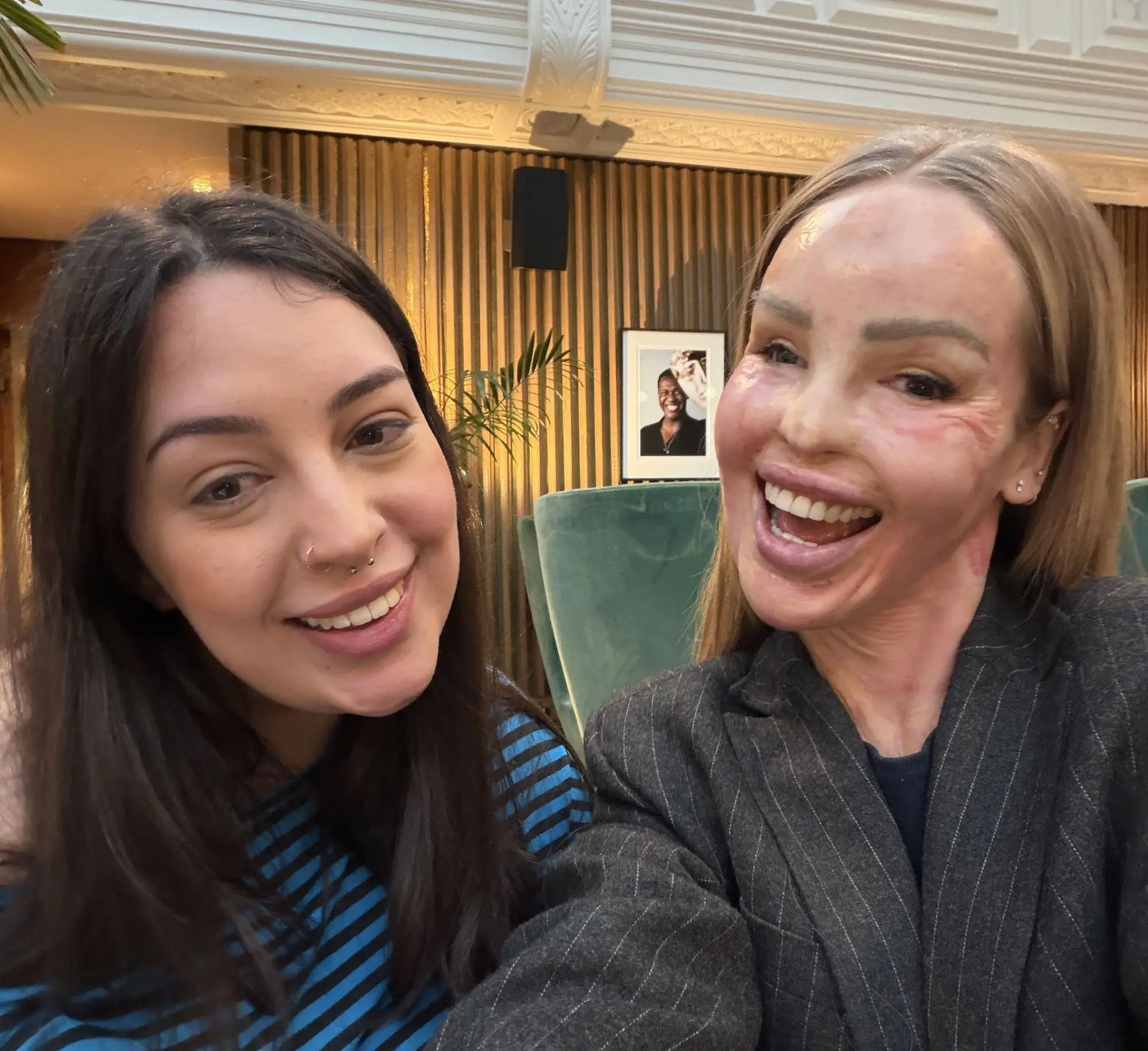
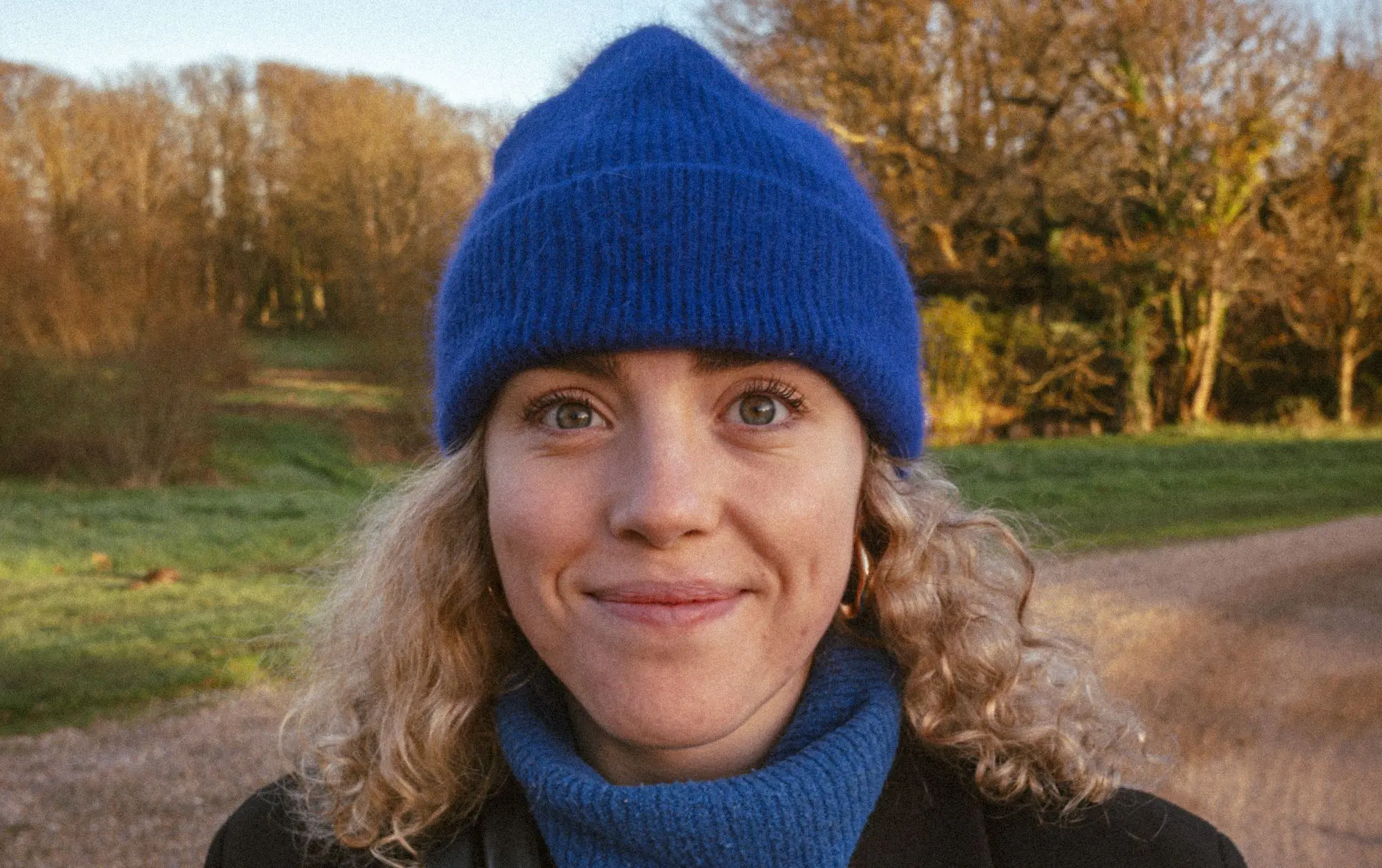
Taking your first steps into the screen industries can seem daunting but as BAFTA Reuben Scholar Roisin Clear has discovered having a mentor can really help. Roisin, who had the opportunity to be paired with an industry leader as part of her scholarship chose Katie Piper as her mentor. And Katie herself was keen to help those coming through BAFTA programmes after previously helping with the Young Presenter’s competition. So, in honour of International Women’s Day, whose theme in 2026 is Give to Gain, we caught up with Roisin and her mentor Katie to find out how this collaborative relationship has benefited them both…

B: How is the mentoring relationship working for you?

KP: When we got paired together, I was really excited to meet Roisin. I looked her up online and my first thought was, wow, why does she need a mentor? She’s done so much already.

From our first meeting I felt like I’d known Roisin for ages and I thought, oh, we’ve got this real shared ambition of storytelling, but also a shared passion of advocacy and an understanding of what it’s like to be the only person in the room doing something where people doubt you. They might not believe in you, and how even though you’re able and capable, it can affect your confidence, but it doesn’t stop you being determined to get there in one way or another.

RC: Yeah, we immediately clicked and I felt like I could just be myself fully and I didn’t feel worried about what Katie was going to think because I knew that she had that understanding, which is really important for me.

We meet, I’d say, once a month. We discuss where I am now, where I want to be, structural things I can put in place and what tangible next steps I can take to achieve my goals. For example, we try to think outside the box so that I can get the most out of networking opportunities.

Growing up disabled, you can be made to feel like you don’t deserve to be in certain spaces sometimes because of the idea that you don’t quite fit. Whether it’s physical inaccessibility or ableist misconceptions around disability, when you are repeatedly faced with such obstacles, it can chip at your confidence and sense-of-self and reframing that belief takes ongoing work. So, the mentoring is about empowering me, and giving practical guidance for me to build on my broadcast career.

KP: It definitely helps that we’re both women as well, because I think it’s something that women identify with. And I think when you think of mentoring, you think okay, well, how does it work? You’re the mentor, what do you do? And I actually think it’s a collaborative thing. I’ve definitely learned from Roisin. And I think one of the most valuable things it’s done for me is it’s kind of given me perspective on the challenges that emerging talent and disabled talent still face because we talk about diversity, we talk about inclusion, but where is that performative? Where is that a box tick? Like what’s the actual longevity of that and how does it look for the person? And if it is performative, how does that affect your confidence?

I feel we have very honest, open human conversations. We’ll talk about, confidence, resilience, we’ll talk about our craft, our ambitions. And also navigating systems that aren’t always designed with disabled people in mind, like how do you get to those spaces… but I agree it is emotional support as well. Sometimes the screen industry, in particular, can feel overwhelming especially at the start, it can feel a bit like a brick wall. So, I think you can have strategy in mentoring but I also think it’s about validation and saying you do belong here.
B: What tips would you give to someone looking to start as a mentor or seeking mentoring?

RC: I’ve learnt to work out a goal and think, “okay, I want to be here, these are the tools I have at my disposal, what can I do? What easy steps can I take to be closer to my goal?” Breaking big goals down into small actionable steps that you can take every day, will make them feel more achievable. If you’re looking to be mentored, you could start by mind-mapping how you would like someone to support you for example. You could send one email to someone you admire, or sign up to one networking event. Actions will compound, getting you closer to where you want to be.

Also do your best to cultivate confidence from within. Know that it is transient and no-one is 100% confident all the time; it doesn’t have an ‘on-off’ switch. One approach I’ve used is to try turning ‘vice into virtue’. Rather than thinking, “I can’t achieve because who I am will hold me back”, think, “no, I’m going to do this because of who I am, and I have a lot to offer.” What might be perceived as a limitation can actually be used as a point of strength. For example, I could shy away from being a mixed-race disabled woman, but I feel that these aspects of my identity give me a unique perspective, which is of value.

KP: For me, as a mentor, you should never think what have I got to offer? Because you should let the mentee decide that. They might say to you after a couple of meetings, that’s been really good, thanks and I’ll reach out if I need you again. Or they might say to you, you’ve got so much to offer. You should never underestimate your impact.

I also think particularly if we’re talking about the screen industry, it really influences how we see ourselves and how we see other people. If we just have people from the same backgrounds, but with all the same capabilities on screen, that is so limited. Sometimes you might think the word mentorship, well, what is that? Is that just charity or is that an act of kindness? In the creative industry, it’s actually a creative necessity because when we collaborate across differences, and Roisin and I have talked about this saying well on paper ‘you’re a woman, you’re disabled, you’re mixed race, all of those different backgrounds’ – all of those different things are so necessary to the work that we do to make it become richer. And when work in the creative world becomes more truthful and becomes richer, it becomes commercially more powerful.

When you talk about it like that, it’s such an important tool so, if you can get yourself on a mentorship or if you can become a mentor yourself, I would urge you to do it because it’s really, really powerful.

BAFTA Scholarships

As part of BAFTAs charitable activity we run a scholarship programme supporting talented British creatives looking to enter the screen industries. Our financial assistance helps create opportunities for successful applicants to study eligible UK undergraduate and postgraduate courses in film, games and TV.

BAFTA scholars benefit from a unique package of assistance which includes both financial and career support.