
Ilkka Paananen: The Fellowship 2026

Posted: 17 Apr 2026

Like many kids who grow up in small towns outside their country’s capital, Finnish CEO Ilkka Paananen grew up with a love of video games, immersing himself in the endless platform worlds of Nintendo classics from home. But he would have had little idea then of the possibilities that would arise in the kind of gaming you can carry in your hand – and connect with the rest of the world through.

With Supercell, the company he co-founded in 2010, Paananen – who was by then experienced in the space through his roles at Sumea, which he co-founded in the millennium, and later Digital Chocolate – has led the way in mobile gaming. The studio is behind global, ultra fun hits like Clash of Clans and Brawl Stars, influential games that have stemmed from the company’s unusual, creative developer-led structure (the individual teams forming the so-called ‘cells’ of its name). And if that wasn’t enough, Paananen is passionate about helping other entrepreneurs as both an investor and as a mentor. His foundation, Illusian, has backed initiatives ensuring equal opportunities for a fulfilling life for all, as well as an AI-powered youth mental health helpline and games teaching the next generation valuable social skills. Ahead of receiving BAFTA’s prestigious Fellowship at the 2026 BAFTA Games Awards with Google Play, we caught up with Paananen to find out how it feels – and ask about the inspirations that drew him to this ever-growing space in games. 
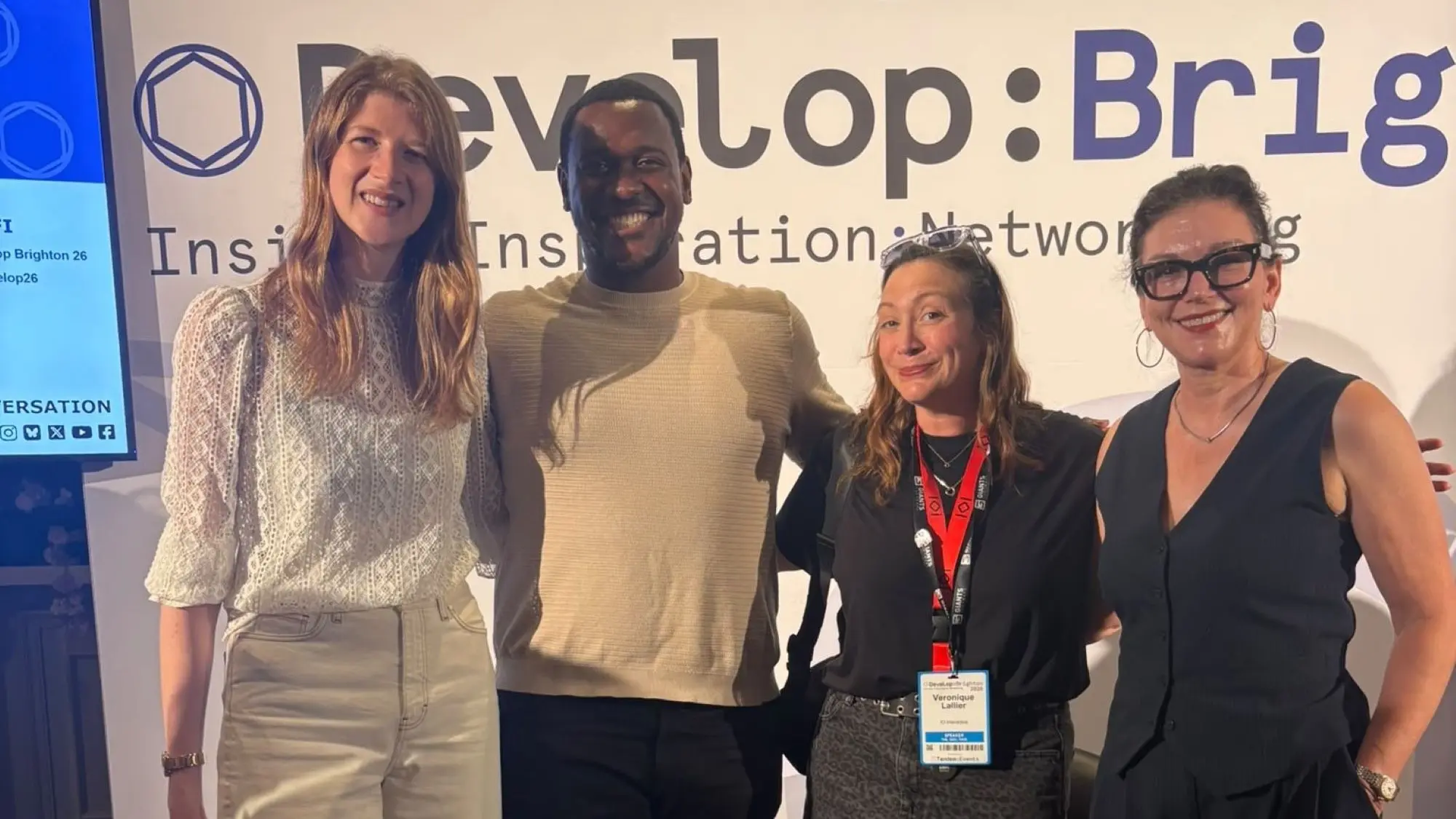
Here Ilkka Paananen talks to BAFTA about putting creatives first and the “unreal” feeling of becoming part of the “Fellowship club”…

BWhat does this moment mean to you?

IPI feel really honoured. It feels incredible. Especially when I was reading the list of names of the kind of previous recipients, which has so many of my childhood heroes in there. I could never have imagined that someday I’d be part of the same club. That feels unreal to me. The other feeling that I have is just being super grateful. Only my name is listed there, but I could have added so many people I’ve worked with who deserve to get the same recognition.

BThat's what the speech is for, right? Tell us about some of those heroes that previously received Games fellowships.

IPFounding Supercell, one of our biggest inspirations was Nintendo. So Shigeru Miyamoto is an obvious one, of course. It’s inspiring how they've been able to create these games that are loved by so many people around the world and lasted decades and decades. Zelda, Mario... Miyamoto is the person behind the biggest, biggest hits.

BWhat first excited you about this world of gaming?

IPI grew up playing games, and obviously, it was about being entertained. But back then, it wasn’t that easy to play with other people, you know. Like, you know, internet obviously didn't exist yet then. We would organise LAN parties, but it took a lot of work – like literally carrying your PC into somebody else's apartment. But we would read all the gaming magazines, and share in this huge sense of anticipation: like, when would this next game come out? Or trying to figure out the cheat codes for a game. [laughs].

BWhen you were first thinking about this as a career, were there particular moments that led to you channelling this interest specifically into the mobile space?

IPThe funny thing is, I don’t think I ever thought about it as a career. In university, most of my class had two dream jobs: investment banking, or management consulting. But I somehow had stumbled into a couple of courses about entrepreneurship, and I got super excited about it. That's when I got super lucky. By absolute accident, I happened to bump into these guys who wanted to found a company, and that company happened to be a games company. These guys were pure game developers, and needed somebody else to do the boring stuff - everything else, like kind of boring stuff, like, you know, sales and finance and admin and whatever. We went from there. I was 22 years of age.

BWhat has felt different about Supercell to your other places of work before?

IPWe wanted to found a different type of games company. We had seen from our experience, especially when games companies got successful, that power always shifted away from the creative people and game creators. We thought: what if we took a completely different approach? What if the game teams are front and centre of the company?

We thought of them as their own independent entities within the greater company. That's actually where the name of a company comes from – because we decided to call them cells.

BAnd why do you think other companies don't take this approach, when it seems to have worked very well for you?

IPI think it’s an easier thing to say, than to practice. A lot of people say, we empower our teams and all that, but that means letting go of control. There has to be 100% trust.

BSupercell have had huge longstanding hits in mobile. What is it about games like Clash of Clans and Brawl Stars and is there something that links Supercell’s output?

IPFirst of all, like, they are all designed for the broadest possible audience, and again, this is something inspired by companies like Nintendo. They’re family-friendly: maybe another comparison in approach is Pixar. These are games that can bring together generations: from kids to grandparents and everything in between.

Then the other thing is that they possess a simple core gameplay. So it's pretty easy to get into it. But while it's simple at that first phase, somehow our designers have been able to create this depth inside it.

The third thing is that they're all inherently social. Even when we founded Supercell, we had this internal catch phrase that we wanted our games to be better with friends.

BCan you tell me a little bit about your own work on social impact projects – as well as, beyond that, what kind of positive impact the games industry as a whole can have in your view?

IPIt is hugely important to me. When I founded the Illusian foundation, the logic was actually quite simple. We couldn’t help but think, we’ve been so incredibly lucky in our lives, how can we then help other people who've been a little bit less lucky? I think if you're lucky and you become successful, it almost becomes a responsibility to help others.

I think gaming can play a massive role, in so many different aspects, in terms of creating positive impact. First of all, gaming is one of those things that brings people together from all around the world – in a world that’s getting more and more divided. Especially through social gameplay. Gaming also creates jobs, and not just in game development, but if you think about all the communities that are built around games. Thinking about competitive play, or eSports, or the content creator community: all these things create an industry that in turn creates new jobs that didn't even exist a couple of decades ago.

BWhat would be your advice to someone who's starting out in this industry? Do you have thoughts on how they can stay confident in what can continue to be challenging times for games workers?

IPMy number one advice would be: just follow your passion. That’s really the most important thing. It means the more difficult and challenging moments will be easier because you have a clear North Star.

The second thing isn’t really advice, but just to say I really would love these people to join despite all the challenges, because this industry needs them. What this industry needs most is diversity in all its aspects. So I would just, you know, encourage these people to get on board. Come and make it better.