Talking about Directing: BAFTA Sessions 2019

Posted: 21 Feb 2019

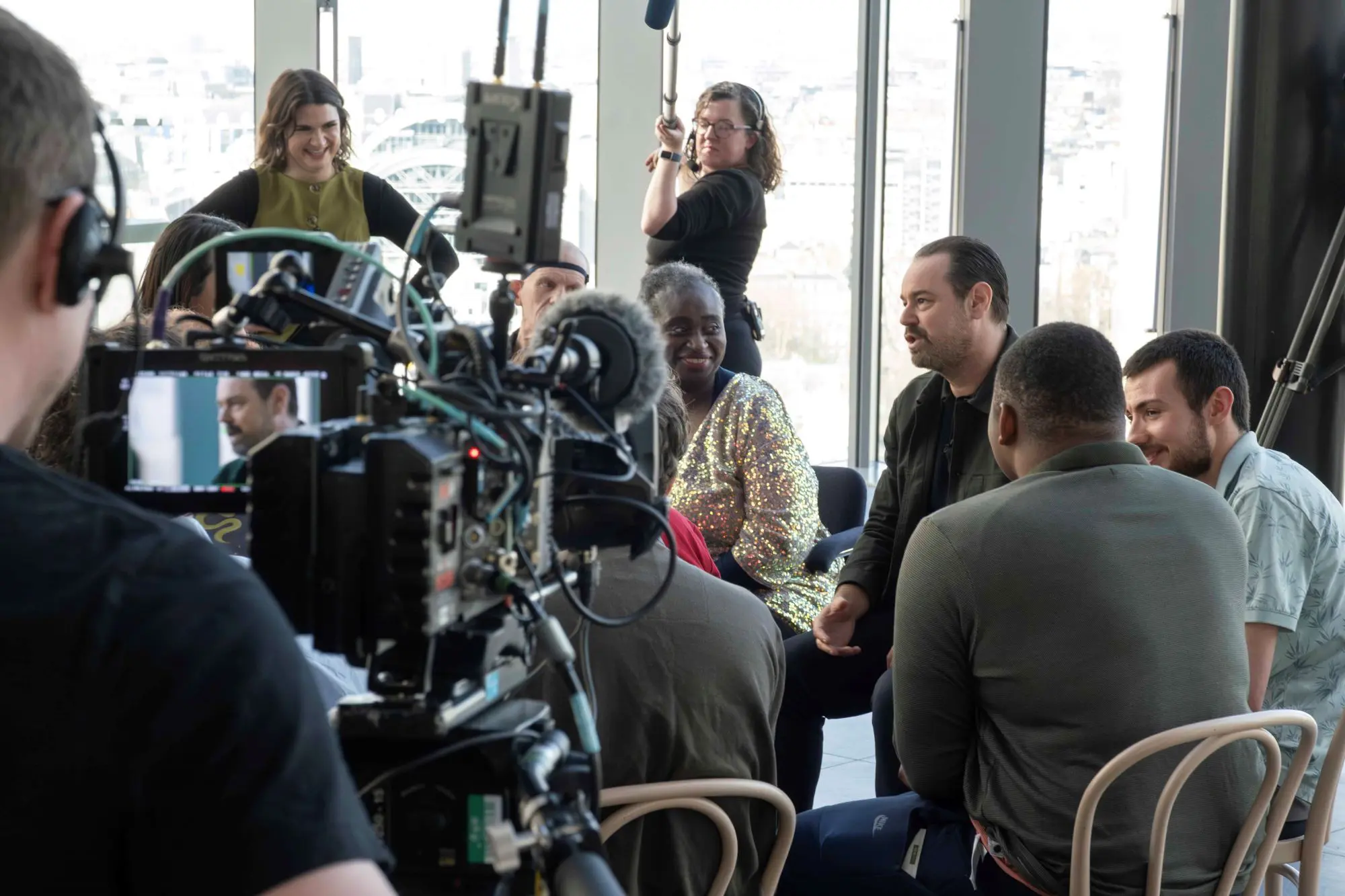
Ever wondered what it takes to be a BAFTA-nominated director? We sat down with some of the 2019 EE BAFTA Film Awards’ nominated directors to find out what it’s like behind the camera and to get their top tips for budding directors.

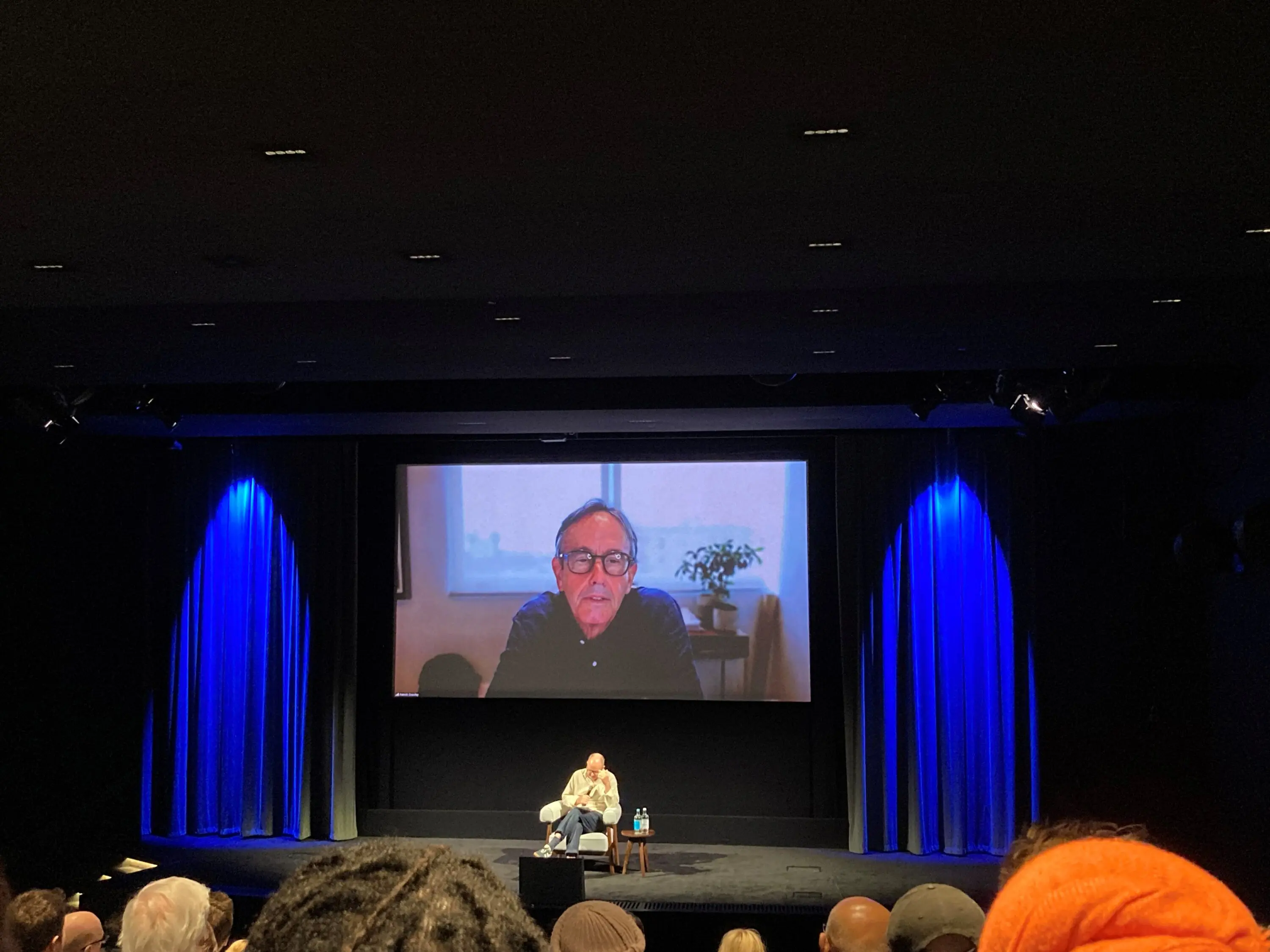
Debut directors Daniel Kokotajlo, Michael Pearce and Leanne Welham (Outstanding Debut by a British Writer, Director or Producer nominees) and seasoned filmmakers Jon S. Baird, Spike Lee, Pawel Pawlikowski and Nadine Labaki, discuss embracing your fear and diving head first into directing. Plus, they highlight the importance of celebrating the differences of everyone’s directing style, showing there’s no right or wrong way to become a director…

WORK THROUGH THE FEAR

A couple of the first-time directors reflected on the insecurities they felt while making their first feature film with Pearce admitting he found it “really nauseating turning up to set, especially on the first day.” So, how do you get through that feeling? He says: “You become too busy to be worried about it, that’s usually the transition”.

Meanwhile, reflecting on directing personal story Apostasy, based on his experience growing up as a Jehovah’s Witness, Kokotajlo shared that for him the fearful feeling remained until showing it to an audience. He says: “It’s only when people started to connect with it and I’d see people saying that this is exactly like what I’ve been through that I realised why I made the film.” 

But how about if you’ve been directing for a long time? Do these fears still resonate with Lee for example? Well, after years of experience directing, Lee says he has learned to let go of things he can’t change: “There’s so many things out of your control and there’s nothing you can do about, so you just plough ahead because why worry about something you can’t control? I don’t. Just move forward.”  

BALANCE THE HIGHS AND LOWS

For some on the panel the advice they’d give is to recognise it’s about balancing the highs and lows. Discussing directing Stan & Ollie, Baird shares how he kept the humour of the film’s two very funny subjects alive amongst its tragic storyline. He described how important it was to balance tragic moments with humour. He explained: “To get people feeling emotion walking out of a cinema, you’ve got to make them laugh as well [as cry]. I’ve had some great mentors through the years and the consistent thing that’s been said to me was if you want to make someone cry or be emotional you’ve got to make them laugh before. There’s got to be a sense of humour in there. Some of the funniest things that ever happened to me was at my dad’s funeral – I’m serious. You find these moments of humour in the darkest of places and it’s about real life… to reflect society there are obviously dark things but moments of levity as well.”

FIND WHAT WORKS FOR YOU

So what would the top piece of advice would the directors give early career directors…

Lee stresses the importance of preparation: “You can’t fall behind. You’ve got to be very strategic – if you’ve got a shot that takes five hours to set up, maybe that should be the first shot of the day… You have to prepare or you’ll be behind and trying to catch up, you’ve got to put the time in pre-production.”

Labaki advises being flexible and open to changes on set. She said: “Be very free with everything you’re doing… enable [yourself] to be free. You have to know what you’re doing, but [also] in my case I’ve been working with non-professional actors who’ve never acted in their lives, people who come with their own experiences, you have to collaborate with them.” Drawing on her experience of filming Capernaum over six months, she says the length of the project afforded her time to experiment on the go, saying: “we shouldn’t be afraid when an actor does something completely unexpected… if the film, or the scene, or life is taking us somewhere else, we can grab it and take advantage of it.”

And Pawlikowski urges people to recognise each other’s differences. He says: “There’s no guidelines for all directors, we’re all very different.” Lee echoes this, saying: “I tell my students that there’s no one way to do anything, and you have to find what’s best for you… There’s no one way.”
For more interviews from the worlds of film, games and TV, check out our stories section